Jersey Moving Pro's Solutions for Moving Large Gun Safes
Shifting a large gun protected is a different kind of job. The weight alone, often 600 to 1,500 pounds or more, can deform stair treads, crush thresholds, and sheer the cheap wheels off a box store dolly. Inside, fireboard liners and active bolts can shift under stress if the safe is canted the wrong way. Many home safes also live in places that complicate access: finished basements through tight bulkheads, split-level landings, third-floor closets in townhomes, or garages where the only path runs along a polished epoxy floor. Getting this right takes planning, specialty gear, and crews who have done it enough times to know where the risks hide.
Over the years, I have watched well-meaning do-it-yourselfers turn a manageable transfer into a structural repair. One homeowner wedged a protected on a stair landing, only to realize the run was a quarter inch narrower than the safeguarded’s diagonal tilt line. The safe wouldn’t go up or down without removing spindles and a section of rail. The crew that finally freed it treated the stair as a load-bearing puzzle rather than a brute strength challenge. That mindset is what separates professional protected transfers from expensive near misses.
What makes a gun safe hard to transfer
A typical gun safe isn’t just heavy. It is dense, top heavy when tilted, and unforgiving. Manufacturers reinforce doors with plate steel and lockwork, so a safeguarded that balances fine when level can pitch fast once the center of gravity shifts. The deals with and keypad are cosmetic under load, so you can’t rely on them as handholds. At the same time, your home is full of materials that mark and dent easily: polyurethane on hardwood, bullnose drywall corners, veneer stair nosing, and baseboard caps. The result is a high-stakes shuffle, even across a short distance.
There is also lawful handling to consider. Contents must be secured and removed before the safe is moved, both for safety and to keep weight predictable. Every professional crew I trust insists on moving an empty safe. Ammunition, especially in quantity, adds dynamic load and introduces heat sensitivity if temperatures swing. The standard is clear: empty the safe entirely, inventory contents, and handle the safeguarded as a standalone object.
Jersey Moving Pro’s approach to site evaluation
The right plan starts with a walkthrough. Phone descriptions help, but tape on the floor tells the truth. Clear measurements make or break a secure move: the safeguarded’s width, depth, and height; door and hallway clearances at the narrowest point; stair run, rise, and landing depth; and any turns that require a diagonal tilt. Crews also note flooring types along the path and the condition of thresholds. Old door casings sometimes flare by a few millimeters at the base. That is enough to force a different angle of attack.
When Jersey Moving Pro schedules a gun safeguarded move, the pre-move checklist includes photos or a brief site visit if the path looks tight. Their teams like to know whether handrails are removable, if a basement bulkhead has a center post, or if a townhouse hallway has a sprinkler head right where the safe must rotate. A single piece of information like the landing depth at a mid-stair turn can change the gear selection from a standard heavy-duty dolly to a low-profile piano skid with a steering bar.
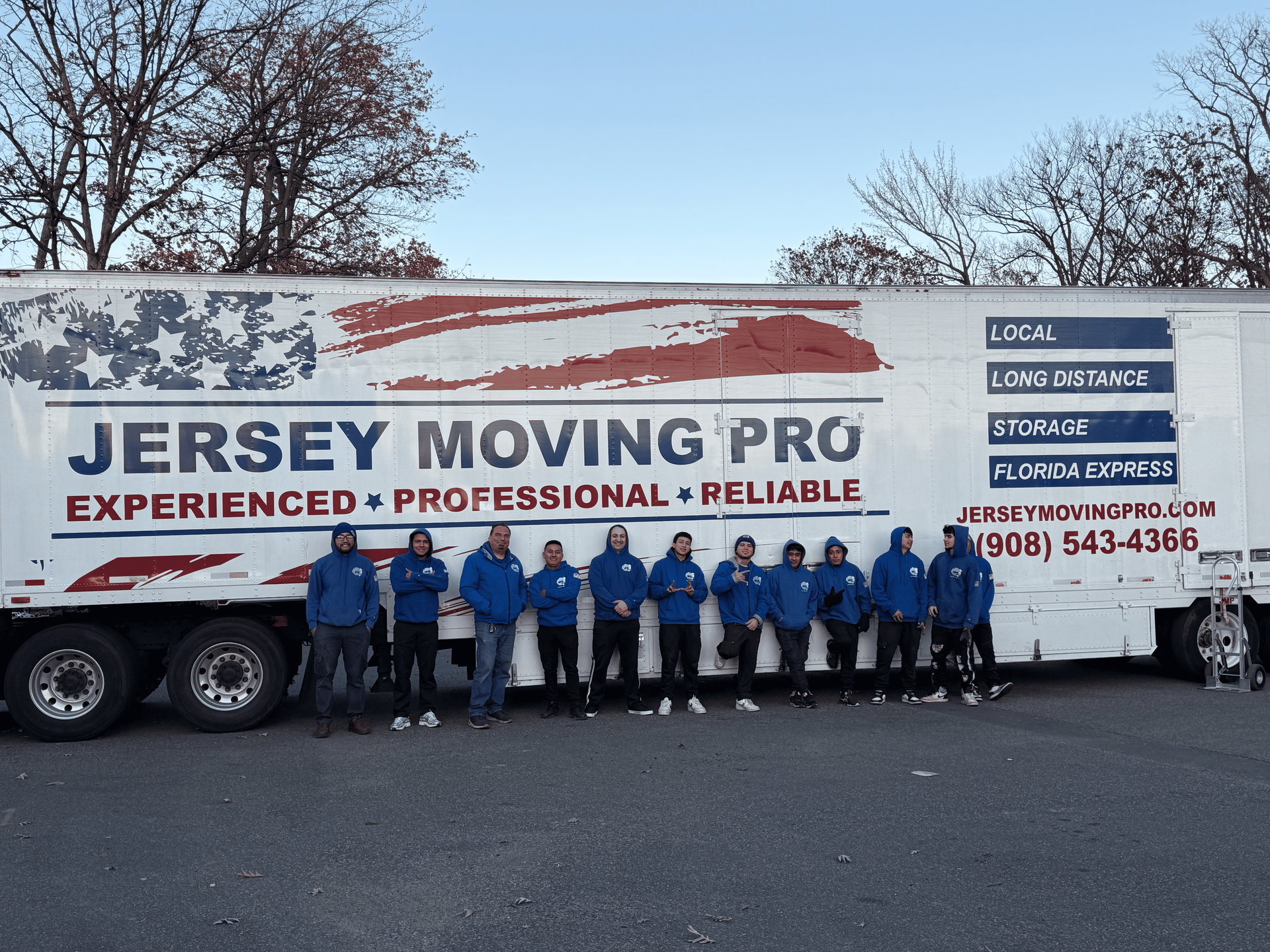
The specialized equipment that keeps everyone safe
You can transfer a couch on almost anything via wheels. A gun secure needs purpose-built tools and redundancy. The kit tends to include a high-capacity appliance dolly rated for four-digit loads via strap ratchets that lock mechanically, not just with friction. For straight shots on level ground, that dolly is the workhorse. On stairs or in tight turns, crews switch to a steel-reinforced safe skid using a high-density polyethylene glide surface. Add stair climbing machines for the steep sets where controlled ascent matters more than speed.
Protective materials matter as much as lifting tools. Hardwood protection boards distribute weight across planks, while neoprene or felt runners sit under the boards to prevent micro-scratches from grit. Thresholds get aluminum bridge plates or thick tempered masonite sheets cut to fit. The safe itself is wrapped in shifting blankets plus corrugated corner guards, then cinched with webbing so the blankets do not shift as the angles change. A door clamp keeps the safe’s door from flexing, especially on models with long handles that can twist under side load.
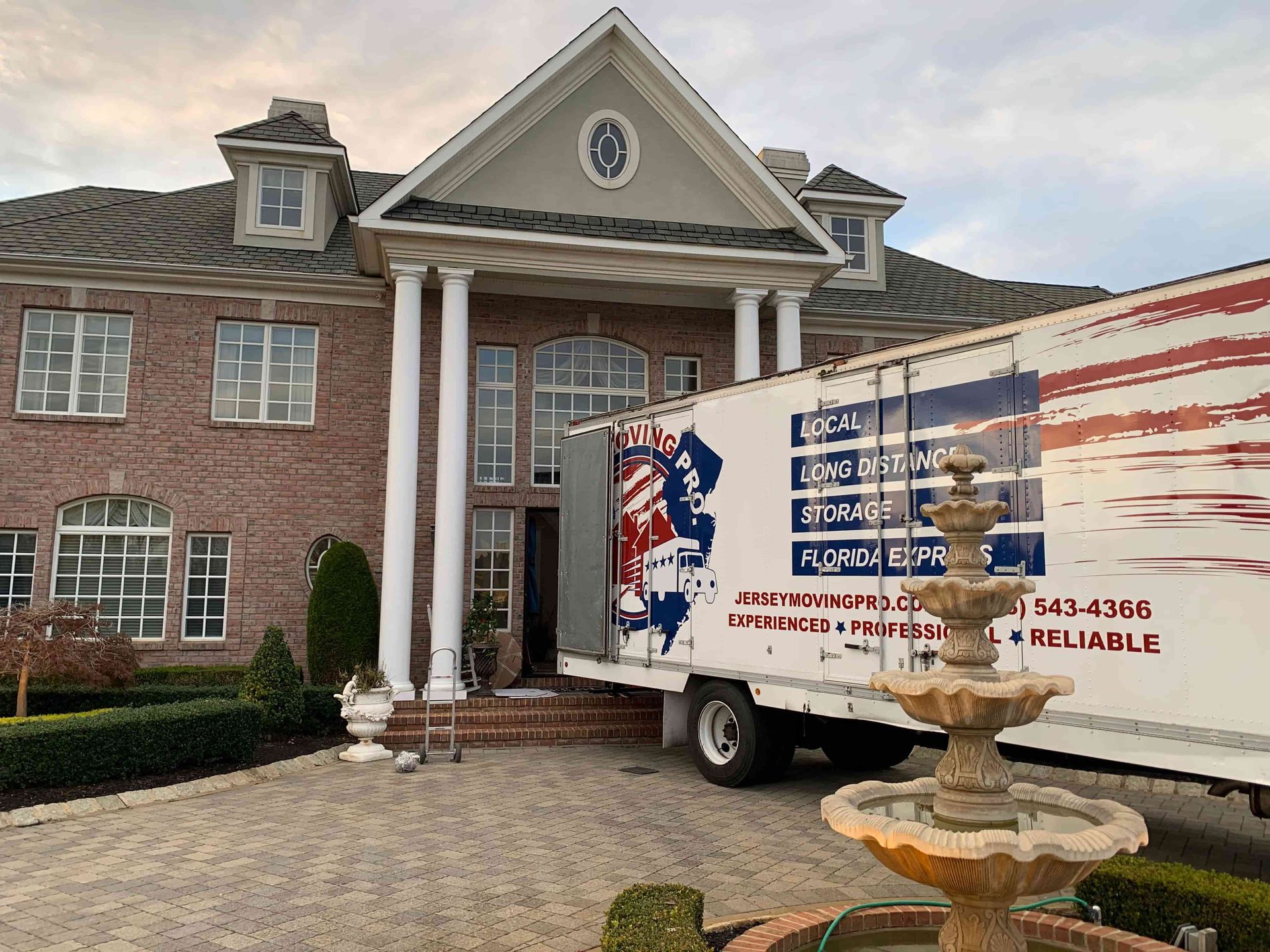
Crews in Morris County winter know the distinction a cold day makes. Rubber tires stiffen, ramp surfaces ice over, and concrete spalls become ankle hazards. That is when you see sand buckets, calcium chloride, and shovel scrapers as part of the standard loadout. Good crews carry spare straps, too. A frayed strap under a corner can give just enough to let the safe tilt into a door jamb.
Route planning in real homes, not model floor plans
On paper, a secure that measures 30 inches deep should pass through a 32-inch door, no problem. In reality, baseboard trim often takes a half inch on both sides, and the door stop narrows the pass even further. The trick lies in sequencing and micro-adjustment. Remove the door from its hinges if it buys a critical inch. Pop a handrail temporarily to open the stairwell sightline. Shift a turn from a square pivot to a diagonal glide, which changes the required clearance by an inch or two. These are small decisions that shape the whole day.
One split-level in Parsippany stands out. The safe sat on the lower level, 14 steps below the entry, with a landing that measured barely more than the safe’s width. The first mover the homeowner called had tried to muscle it up with a basic dolly and a four-person team. It stalled at the landing. When Jersey Moving Pro took the job, the lead measured the diagonal clearance on the landing and staged a skid and capstan setup. They inched the safe onto the landing while the capstan held the load, then rotated the safe in two arcs through furniture slides under the skid. The movement was slow, steady, and quiet. No scraped wall, no crushed nosing. That sense of choreography comes from teams who treat each floor arrange as a one-off.
Securing the safe and protecting the structure
Before a large safe relocations an inch, the door needs to be locked and immobilized. Magnetic door clamps or padded straps keep door movement to zero, important when the protected tilts and lockwork could shift. Tipping a safe forward is the riskiest moment. A pro crew tilts with leverage, not a deadlift, using pry bars and blocks to move the center of gravity onto the dolly or skid. It is a slow motion. No one puts their feet under the safe. Commands stay clear and brief: tilt, hold, roll, stop.
Protecting the home is part carpentry, part common sense. On hardwood, you never turn the dolly wheels without a board under them. On tile, you avoid point loads by stacking layers of masonite and felt. At thresholds, you build a bridge and check the underlayment for flex. I have seen thresholds crumble when a 900-pound secure puts all its weight on a one-inch strip of grout. A protected bridge avoids that, and the safeguarded rolls as if the threshold never existed.
Jersey Moving Pro’s training focus for heavy specialty items
Safe moving sits in the same skills family as pianos, pool tables, and medical equipment. The crews who do it well build muscle memory in five areas: load control, communication, geometry, surface protection, and contingency planning. Jersey Moving Pro’s crews practice stair ascents with counterweight control so the lead can call micro-adjustments and the rear can answer with pressure rather than guesses. They drill how to measure a turn for diagonal clearance, not just width and height. They learn to spot false floors and flex in substructures that can’t take a point load.
One of the better practices I have seen is the pre-shift huddle that assigns roles by terrain. The strongest lifter is not always the best choice for the downhill position. You want the person via the calmest hands and the best feel for balance on the low side, because they control the pivot. Another practice: having a single voice calling cadence. Mixed commands lead to mistakes. The lead calls, the rest execute. When something feels off, anyone can say stop. It sounds like a small procedural note, but it prevents the rushed mistakes that damage both homes and backs.
Navigating tight spaces, narrow streets, and real New Jersey conditions
Many gun safes in North Jersey live in basements. The path is often through a side yard, down a bilco door with narrow clearance, then around a furnace and past a water heater. Outdoor approaches bring their own hazards. In winter, a dusting of snow hides icy steps. A good crew treats every outside stair like a fresh challenge: test each tread, salt, brush, then lay down a grip mat. If the shift runs through a garage, crews place wheel chocks at the lip so the dolly never drifts toward the driveway while someone adjusts a strap.
Transport adds another layer. New Jersey highways can be rough, and a half-ton safe on a truck bed needs to ride without forward or lateral shift. Secure crates or custom blocking keep the base from sliding, and tie-down angles matter. Straight lines to the rails keep tension predictable. Crossed straps may look tidy, but they can loosen differently under vibration. Inside the truck, you place the safe low and centered to avoid side sway. Modern trucks with air ride suspension help with shock absorption, but strapping and blocking are the real insurance.
Jersey Moving Pro’s real-world case notes: when the safe is upstairs
A second-floor safe move in a 1920s Colonial in Morris County taught a useful lesson. The stair treads were original red oak, a little dry and slightly cupped. Under 1,200 pounds, a dolly wheel could crush an edge bead. After a quick test via a loaded hand truck, the crew decided to distribute weight aggressively. They built a continuous runway using interlocking hardwood protection boards, then added a second layer just at the nosings to preserve the edge. They switched from dolly to skid at the stair top, where the landing depth limited turn radius. The shift added 15 minutes but likely saved $2,000 in stair repair. The homeowner learned later that the original stairs had minimal backing under the nosings. The crew’s caution saved hidden structure as well as finish.
Communication and inventory: what the homeowner should expect
Good crews handle more than weight. They bring order to a move that might feel chaotic. Before the safeguarded relocations, the personnel should confirm contents have been removed and accounted for. If the homeowner wants a record, a simple inventory note with a date and the protected’s make and serial number becomes part of the relocation file. If the safe holds a fireboard liner, the crew might suggest removing shelves to prevent shifting stress. Electronic locks get covered to protect keypads from abrasion.
Expect a simple but thorough briefing at the door: the path, protections, points where the safe must tilt, any temporary removals like a handrail, and where the safe will land in the new space. If a move crosses common areas in an apartment building, elevator pads and reservations should already be arranged. Crews used to high-rises in the Tri-State area grasp that a good relationship with building staff prevents delays. It also prevents the awkward moment when the safe is staged in a lobby and the elevator is out of service.
When storage becomes part of the plan
Not every safe goes straight from old home to new. If closings don’t align, climate-controlled storage protects the safe and its finish. Solid steel does not mind cold, but finishes do. Powder coat can haze in high humidity followed by cold snaps. A climate-controlled bay keeps temperature swings in check. Proper storage also means sitting the safe on a pallet with neoprene pads rather than concrete. If the safe is crated, the crate should allow air circulation and avoid contact points that rub through finish during transport.
Insurance and documentation that actually mean something
An honest conversation about liability belongs at the start. A large safe can damage a home if something goes wrong. Understanding how coverage works gives everyone clarity. Companies that move heavy specialty items usually carry general liability insurance and cargo coverage, with specific language for structure and contents. Ask how that applies to a stair banister or a tile crack if it occurs. The best answer is not just about insurance. It is about preventing the claim. Crews who measure, protect, and pace themselves rarely have to use coverage, but it should be there.
Jersey Moving Pro treats documentation as part of the craft. Photos before, during, and after, plus notes on the route and protections in place, build a record that helps if questions arise. It also aids the receiving crew on multi-day or long-distance jobs replicate the same care at delivery. The goal is boring paperwork that reflects a smooth day.
Jersey Moving Pro’s playbook for winter moves and Nor’easter season
New Jersey weather changes the rules. Snow and ice complicate traction, grip, and timing. Jersey Moving Pro has a winter protocol they apply when forecasts turn. Driveways get pre-treated, truck ramps get traction mats, and backup ramps ride along in case one becomes slick beyond safeguarded use. Crew call times shift earlier to avoid late-day refreezing, and an extra set of gloves per mover goes in the bin because cold hands lose feel long before they lose strength. If a Nor’easter threatens, the shift either gets rescheduled or re-sequenced so the protected leaves the house before the worst and lands after plows do their work. No one is rolling a half-ton secure across a crust of snow into a garage with an epoxy floor that behaves like glass.
One winter move in Morris Plains drove home the point. The prepare called for a straight garage-to-truck path with a single threshold. Overnight freezing rain changed that to a two-stage approach. The crew prepped a plywood runway from garage to truck, via a subtle grade to allow positive traction. A crew member managed the salt bucket and kept the path dry. The safeguarded rolled once, cleanly, and the truck closed before the next squall. That sort of adjustment is why experienced teams keep schedules flexible in winter.
Edge cases and judgment calls
Not every safe can or should shift via a standard residential route. A 1,600-pound commercial-grade unit on an older staircase is a structural gamble. In those cases, a crew may recommend a window removal with an exterior lift, or a basement route through a bulkhead with a gantry and chain hoist. These methods take longer and require permits or specialty equipment, but they protect both the home and the crew. I have seen a structural engineer called in to evaluate a staircase when numbers looked marginal. The cost of that opinion was a fraction of a collapsed tread.
Another edge case arises with newly finished floors. Polyurethane cures over days, sometimes weeks. A heavy safe can imprint the finish if placed too soon. A patient crew will suggest delaying the final placement or using a temporary float platform that spreads the load until the finish hardens. The platform can be built from double-thick plywood with neoprene pads, trimmed to disappear under the safe when it moves to its final position.
How Jersey Moving Pro keeps moves predictable
Predictability flows from small, repeatable habits. Jersey Moving Pro crews set a site clock that allocates time for prep, travel within the home, and reset. They keep an on-hand stock of corner guards, runner lengths for common hallway sizes, and threshold bridges in a few widths. They call out measurements before the first tilt so no one learns about a surprise half-inch in the middle of a staircase. They run a short safety talk whenever an unusual element appears: a spiral stair, a plaster wall that sounds hollow, or a landing that slopes more than expected. These minutes spent in conversation save hours of problem solving later.
The company’s investment in advanced shifting equipment shows up in the margins. Air ride suspension helps on pothole-riddled routes to the Jersey Shore or across the rougher stretches of I-78. GPS tracking allows accurate arrival windows, which matters when a building necessitates elevator reservations. Those details are easy to overlook until a safeguarded is waiting in a lobby and the freight elevator opens exactly at the booked time.
A brief homeowner prep checklist
A little preparation on the homeowner’s side smooths the day. Keep it simple and focused on what actually helps.
- Empty the safe fully, including shelves and door organizers, and place contents in secure containers away from the path. Measure the narrowest doorway and stair width, and note any tight turns or low ceilings where the protected passes. Clear the route of rugs, cords, and small furniture, and confirm where the safeguarded will land at the destination. If a building elevator is involved, confirm the reservation window and have the Certificate of Insurance details ready. Let the crew know about new floors, recent paint, or delicate finishes so they can adjust protections.
Where expertise shows: removing, transporting, and reinstalling
The shift does not end when the safe reaches a new address. Placement matters. Pros check floor level first. A safeguarded on a sloped floor can operate poorly, via bolt work binding or the door swinging unexpectedly. Shim kits designed for safes spread the load and correct tilt without concentrating pressure at a single point. Anchoring decisions come next. In many jurisdictions, anchoring to concrete is straightforward with wedge anchors. On wood subfloors, anchoring may involve locating joists and using lag bolts with backing plates. If the safe sits on radiant heat flooring, anchoring is either off the table or necessitates a carefully mapped prepare that protects lines.
Reinstalling shelves, checking the lock, and verifying door swing complete the job. Electronic locks deserve a quick battery check after a cold truck ride. Mechanical locks may benefit from a once-over to confirm the dial reads true. It is not uncommon for a heavy door to feel different after transport, especially if it has been tilted. A light adjustment of hinge tension or a wipe of the gasket with silicone can restore the smooth close.
Lessons learned from moving safes in tight New Jersey housing
New Jersey homes love to test movers. Older Colonials in Morris County bring narrow staircases and proud baseboards. Townhouses around Parsippany often have long interior runs with few exterior access points. Split-levels hide mid-stair landings that deceive the eye. After enough jobs, patterns emerge. Expect a doorway to eat a half inch at the base. Expect a stair to flex more than you think if the house dates to the 1950s. Expect winter to add thirty minutes of prep for every outdoor approach. And expect that the best crews will slow down at the exact moments where rushing seems tempting.
I watched Jersey Moving Pro handle a safeguarded in a split-level where the only path involved a hairpin turn at a mid-landing. The lead mover drew the turn on a piece of cardboard with chalk, mapping the safe’s footprint at each stage of the rotation. He marked guard placements and hand positions. The crew followed the drawing, one motion at a time, and the safe sat in its new corner ten minutes later. That kind of field drafting looks old-fashioned, but it removes guesswork.
When coordination across the region matters
Moves into and out of New York City raise the stakes on timing, parking, and building rules. If a safe crosses the Hudson, predict coordination with building management, possible COI requirements, and strict elevator schedules. Jersey Moving Pro’s teams have handled elevator reservations in high-rises and know the drill: arrive within the window, pad the elevator, roll on clean wheels only, and keep the lobby clear. For suburban apartment complexes, the issues shift to access roads and tight turns for trucks. GPS tracking helps align arrival with gate codes and security at gated communities.
Longer interstate runs demand stable bracing inside the truck. A safeguarded that rides 100 miles needs more than a strap. Blocking brackets, anti-slip mats under the skid, and check points along the way make the advantage. On cross-state moves to Pennsylvania or down to Southern New Jersey, crews factor rest stops where they can conduct quick strap checks on level ground. It is not dramatic. It is expert.
Why expertise with other heavy items helps
If a team can move a baby grand down a tight staircase without tapping a wall, they likely possess the touch to manage a safe. The new brunswick nj movers same applies to pool tables, grandfather clocks, and high-value artwork. The crossover skills include how to protect corners, how to build ramps and bridges inside a home, and how to share a load so no one person becomes a failure point. Jersey Moving Pro brings that ecosystem of skills to safe moves. For them, a safe is not an outlier. It is part of a group of items that require planning, protection, and steady hands.
The quiet standard: zero drama, zero damage
The best safe relocations look almost uneventful. No raised voices, no scuffed walls, no last-second heroics. Achieving that quiet outcome rests on a set of disciplines: measure twice, protect surfaces, choose the right tool for each segment, and keep the pace controlled. When problems arise, the fix is methodical. If a door trim blocks the angle, remove it and label the screws. If a landing lacks depth, change the pivot point via a skid. If winter threatens traction, build a runway and keep it dry.
Jersey Moving Pro has built a reputation on that kind of steadiness. Their crews treat a gun safe like the serious object it is, both in weight and in responsibility. They respect the home and its finishes, and they respect the fact that the safeguarded once held items of personal importance. In a field through plenty of shortcuts, that respect exhibits up in the details: a board placed before a wheel turns, a strap checked before a tilt, a pause before a pivot.
Transferring a large gun safe will never be casual work. It should feel careful, deliberate, and unhurried. With the right team, the right gear, and a plan tailored to your home, it becomes exactly that. The safeguarded ends up where it belongs, level and true, and your house looks like nothing heavy passed through it at all.